


Versatile Interiors for Efficiency + Flexible Spaces
In today's fast-paced world, the need for versatile interiors that can adapt to changing requirements has never been more critical. Whether it's in residential homes, offices, or commercial spaces, the ability to create flexible environments that promote efficiency and productivity is a key consideration for many designers and architects.
The Importance of Versatility
Versatility in interior design allows spaces to serve multiple functions without the need for major renovations or redesigns. From open-plan layouts that can be easily reconfigured to modular furniture that can be rearranged to suit different purposes, versatility offers a cost-effective and practical solution to the ever-evolving needs of modern living and working environments.

Flexible Spaces for Dynamic Living
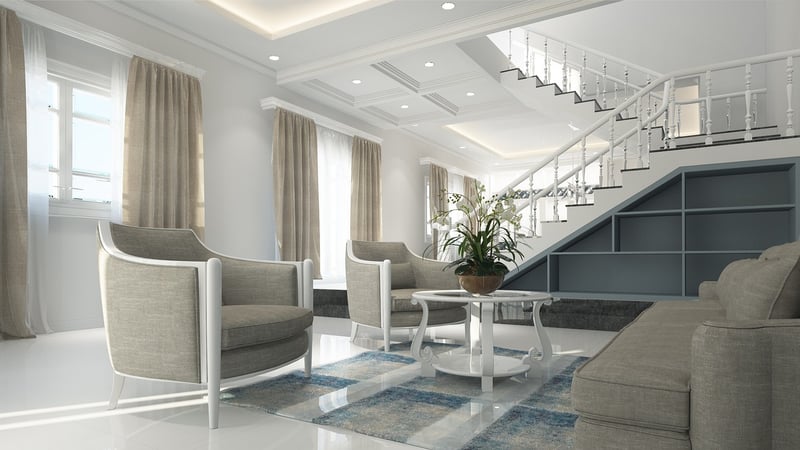
Flexible spaces are designed to adapt to the changing needs of its occupants. This concept is particularly popular in residential settings, where rooms can transform from a living area to a workspace to a social gathering space with minimal effort. By incorporating movable walls, transformable furniture, and smart storage solutions, homeowners can maximize the functionality of their living spaces.
Enhancing Efficiency in Work Environments
For offices and commercial spaces, flexibility is crucial for creating efficient and collaborative work environments. By designing open layouts that can be easily reconfigured, incorporating flexible furniture that supports various work styles, and integrating technology that enables seamless communication and connectivity, businesses can optimize productivity and employee satisfaction.

Embracing Adaptability
Embracing versatility and flexibility in interior design is not just a trend but a necessity in today's rapidly changing world. By creating spaces that can easily evolve with the needs of its users, designers and architects can future-proof their designs and ensure long-term functionality and relevance.
Whether it's through modular furniture, multifunctional layouts, or innovative storage solutions, the key to efficient and flexible spaces lies in their ability to adapt, transform, and inspire those who inhabit them.